











Ukraine joins INPLP: a warm welcome to Legal IT Group
With Legal IT Group from Kyiv, the International Network of Privacy Law Professionals welcomes its first member firm from Ukraine. INPLP is now represented in 59 countries.
16 October 2026
A not-for-profit network of independent data protection law firms in 59 countries — each reporting from its own jurisdiction.
Hover a highlighted country to see its member firms.
Find a lawyer in your countryINPLP is a not-for-profit international network of qualified professionals providing expert counsel on legal and compliance issues relating to data privacy and associated matters.
INPLP is a not-for-profit international network of qualified professionals providing expert counsel on legal and compliance issues relating to data privacy and associated matters.
Read moreINPLP provides targeted and concise guidance, multi-jurisdictional views and practical information to address the ever-increasing and intensifying field of data protection challenges.
INPLP provides targeted and concise guidance, multi-jurisdictional views and practical information to address the ever-increasing and intensifying field of data protection challenges.
Read moreINPLP fulfils its mission by sharing know-how, conducting joint research into data processing practices and engaging proactively in international cooperation in both the private and public sectors.
INPLP fulfils its mission by sharing know-how, conducting joint research into data processing practices and engaging proactively in international cooperation in both the private and public sectors.
Read moreThe annual conference brings the network together in person — a trusted space for members to share knowledge, cases and contacts.











Named representatives, not a faceless directory.

“For me, INPLP’s strength as an organization is its modest size. INPLP does not have thousands of members like other privacy organizations. This allows the members to build a common rapport, which leads to trust.”
Independent law firms and privacy practices, one network.
























Members write about what is changing in their jurisdiction — enforcement, case law, new obligations.
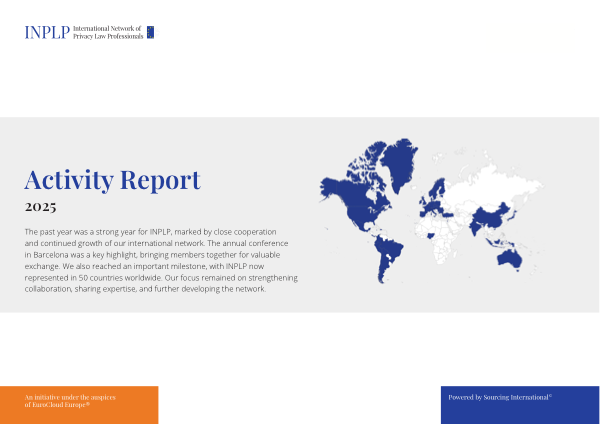
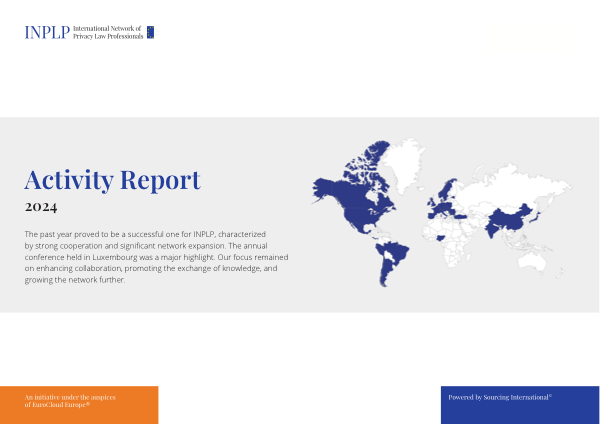
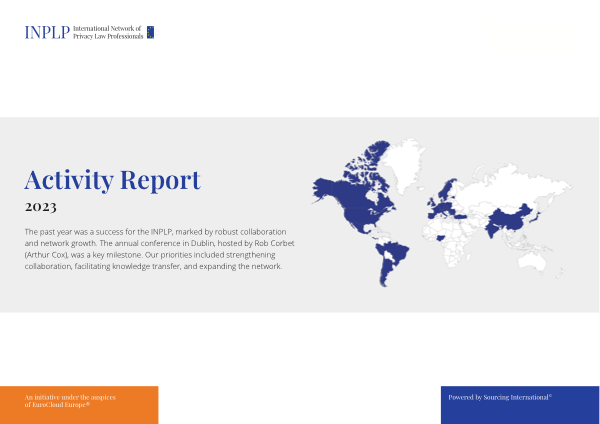
The network's yearly review of activities, member contributions and privacy-law developments.
Applications from qualified privacy practices are reviewed individually by the INPLP board.